The Rise of Enron
**1. Enron’s Origins and Growth
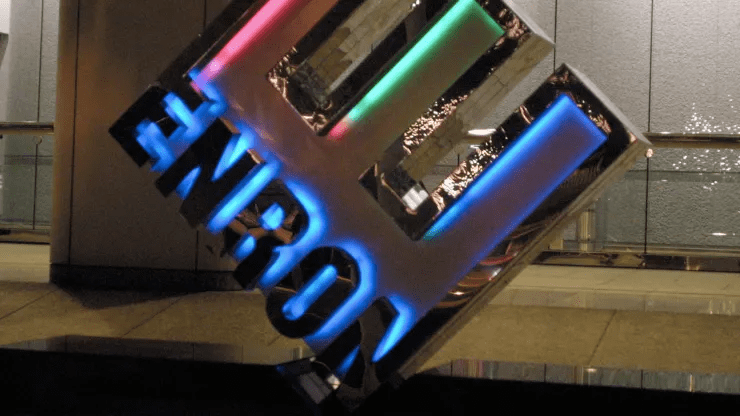
Founded in 1985 by Kenneth Lay, Enron Corporation began as a natural gas pipeline company. Under Lay’s leadership and later CEO Jeffrey Skilling’s aggressive expansion, Enron diversified into energy trading, broadband services, and other ventures. By the late 1990s, Enron was hailed as a model of corporate success, boasting innovative business practices and high stock prices.
**2. Innovative but Risky Ventures
Enron’s innovative approach to energy trading, which involved creating a trading floor for buying and selling energy contracts, was initially praised. The company appeared to be a trailblazer in the energy sector, with its stock price soaring and its executives enjoying high profiles.
The Deceptive Practices
**1. Accounting Manipulations
At the heart of the scandal was Enron’s use of complex accounting techniques to obscure its financial health. The company employed several deceptive practices:
- Special Purpose Entities (SPEs): Enron created off-balance-sheet entities to keep debt and liabilities off its financial statements. This made the company’s financial situation appear far healthier than it was.
- Mark-to-Market Accounting: Enron used mark-to-market accounting to record potential profits from long-term contracts immediately, regardless of actual performance. This inflated reported profits and misled investors and analysts.
**2. The Role of Arthur Andersen
Arthur Andersen, one of the then “Big Five” accounting firms, was Enron’s auditor. The firm was complicit in the scandal, providing audit opinions on Enron’s financial statements while turning a blind eye to fraudulent practices. Andersen’s involvement in shredding documents related to Enron’s financial dealings further exacerbated the situation.
The Unraveling
**1. The Whistleblower
The scandal began to unravel in 2001 when Sherron Watkins, an Enron vice president, blew the whistle on the company’s accounting practices. Watkins’ internal memo raised concerns about Enron’s financial practices, but the company’s leadership dismissed her warnings.
**2. Stock Price Collapse
The first signs of trouble became evident when Enron’s stock price began to plummet in late 2001. As investors lost confidence, the company’s true financial state came to light. Enron’s admission of massive losses and financial irregularities led to a rapid collapse of its stock price and triggered a loss of confidence in its financial health.
**3. Bankruptcy Filing
On December 2, 2001, Enron filed for bankruptcy protection under Chapter 11. It was one of the largest bankruptcies in U.S. history at that time, with over $60 billion in assets. The bankruptcy left thousands of employees unemployed and wiped out billions of dollars in investments for shareholders.
Legal and Regulatory Fallout
**1. Criminal Charges
Several top Enron executives were charged with fraud and other crimes. Kenneth Lay, Jeffrey Skilling, and other key figures faced trials and convictions. Lay died before sentencing, but Skilling was sentenced to 24 years in prison, later reduced to 14 years.
**2. Arthur Andersen’s Collapse
The scandal also had severe repercussions for Arthur Andersen. The firm faced criminal charges for its role in the scandal, and its reputation was irreparably damaged. In 2002, Arthur Andersen was found guilty of obstructing justice, and it eventually ceased operations.
**3. Legislative Changes
The Enron scandal, along with the subsequent WorldCom scandal, led to significant regulatory changes in the U.S. financial sector. The Sarbanes-Oxley Act of 2002 was enacted to enhance corporate governance and accountability. The Act introduced stricter regulations on financial reporting, increased penalties for corporate fraud, and established the Public Company Accounting Oversight Board (PCAOB) to oversee auditing practices.
The Legacy of the Enron Scandal
**1. Impact on Corporate Governance
The Enron scandal reshaped corporate governance practices, highlighting the need for transparency, accountability, and ethical behavior in business. Companies and regulators worldwide have since adopted more rigorous standards and practices to prevent similar occurrences.
**2. Cultural Reflection
Enron’s story serves as a cautionary tale about the dangers of corporate hubris, unchecked power, and the prioritization of profit over ethical considerations. It underscores the importance of maintaining integrity and transparency in business operations.
**3. Ongoing Relevance
The Enron scandal remains a case study in business ethics and accounting fraud. It continues to be analyzed in business schools, legal discussions, and corporate training programs as an example of the consequences of corporate misconduct and the need for robust regulatory oversight.
Conclusion
The Enron scandal is a sobering reminder of the potential for deception and fraud in the corporate world. It underscores the necessity of vigilant oversight, ethical leadership, and strong regulatory frameworks to safeguard the integrity of financial markets and protect stakeholders. As we reflect on the lessons from Enron, it is crucial to remain committed to upholding transparency and accountability in all areas of business.


 My Journal Entry
Leave a comment